

0x0d9 lost $180K after empty signature arrays bypassed authorization checks. YieldBlox lost $10M when a low-liquidity oracle allowed an attacker to inflate collateral prices and overborrow. Holdstation lost $462K after a compromised developer key enabled a malicious contract upgrade. Three different failures — access control, oracle design, and key security — combined to cause over $10.6M in losses.
On March 15th, the Venus Protocol exploit on the BSC resulted in a $2M loss. The root cause of the exploit was a supply cap bypass combined with price manipulation of the THE contract. The protocol allowed direct token transfers (“donations”) to the vToken contract, which increased collateral value without enforcing the supply cap. The attacker gradually deposited 53.2M THE over 9 months (exceeding the 14.5M cap), and artificially inflated the exchange rate by 3.8x. This allowed the attacker to leave the protocol in $2M bad debt.


Exploited Contract (on BNB): 0xF4C8E32EaDEC4BFe97E0F595AdD0f4450a863a11
Transaction: 0x4f477e941c12bbf32a58dc12db7bb0cb4d31d41ff25b2457e6af3c15d7f5663f
On February 21st, the IoTeX ioTube bridge exploit in the Ethereum mainnet resulted in a $4.4M loss. The root cause was a compromised validator admin key. The attacker gained ownership of the Validator contract and upgraded it to a malicious implementation. This new logic bypassed all signature verification and validation checks. The attacker then minted 410M CIOTX and gained control over bridge reserves. Using this access, they withdrew multiple assets from the TokenSafe contract.
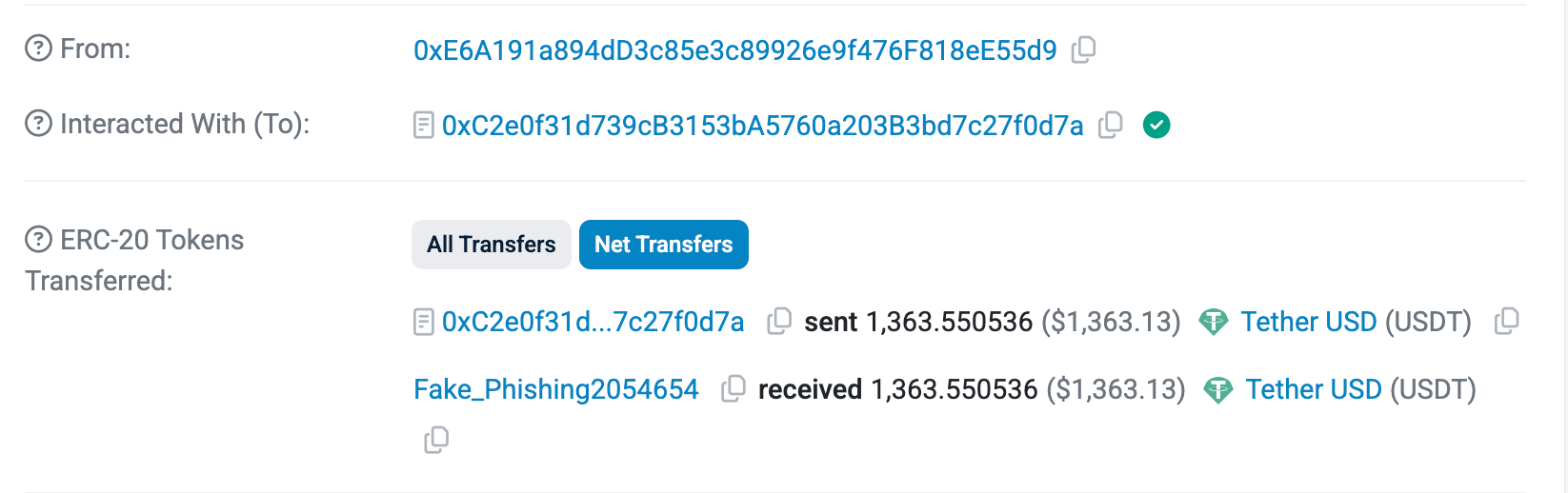
Transaction: 0x1b5772b2a0e1f71327e227ed4ff3ef9fbdc63a47cc8a7fb8995aab41dc7d7c3d
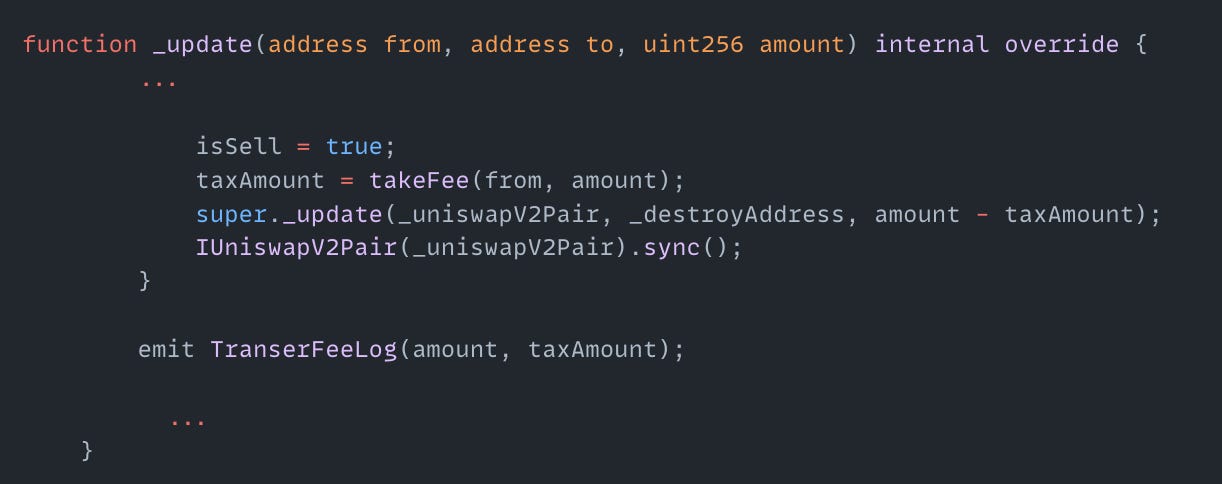
On February 14th, the SOF Token exploit on the BSC resulted in a $249K loss. The root cause of the exploit was a flawed burn mechanism in the private _update() function. This function burned SOF tokens and called sync() before calculating the swap output. Because the pool synced before pricing, the SOF token price got artificially inflated. The attacker swapped SOF tokens, repaid the flash loads and made a profit.
Exploited Contract (on BNB): 0xaeb414d0a64dfca14fd41b28efc78f437008df42
Transaction: 0xcb5b22d86819b84ef176aee2d6b89f687e74d829560de1bcc63d53fcb2ac68f8