April 8, 2025
|

SIR, Cardex, and Hegic Exploited: Transient Storage Flaw, Leaked Signer, and Tranche Abuse Cost $835K

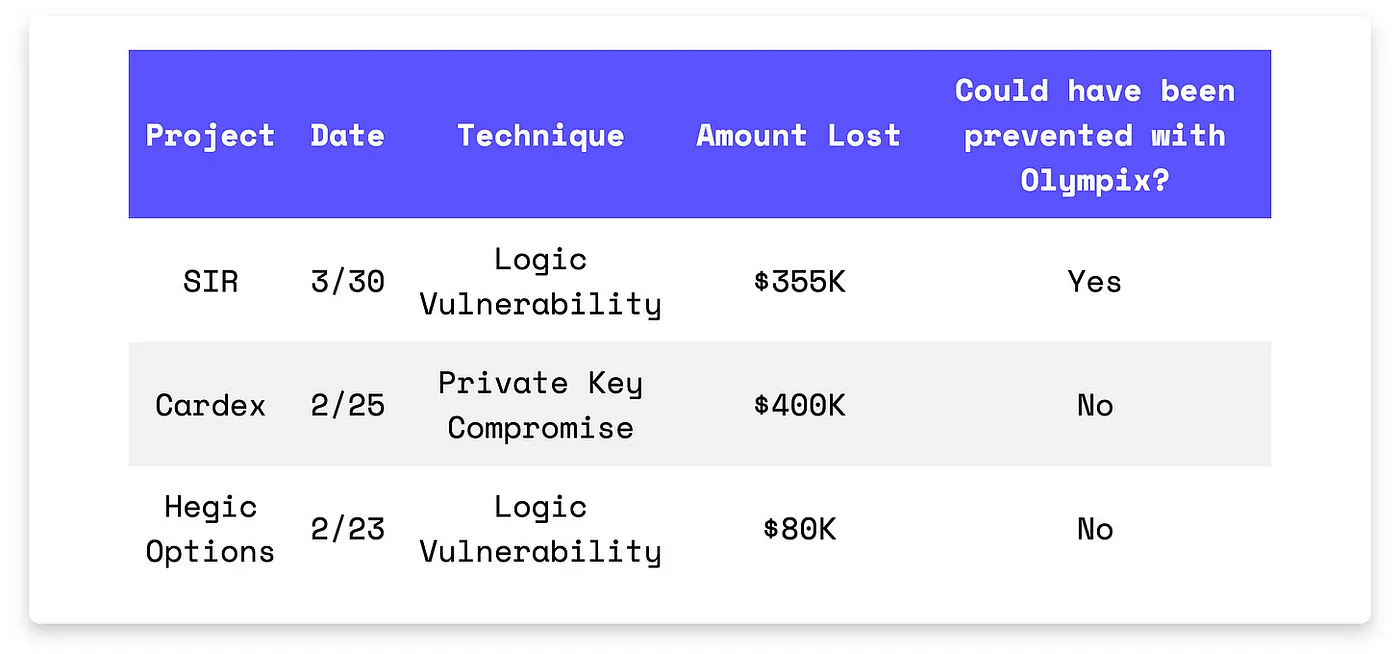
SIR lost $355K after an attacker manipulated transient storage in a Uniswap callback to bypass caller checks. Cardex leaked a signer key used across users, leading to a $400K drain. Hegic’s $80K loss stemmed from a missing state check, letting one tranche be drained multiple times.

In Brief

  • SIR lost $355K due to a transient storage slot manipulation vulnerability.
  • Cardex suffered a $400K loss due to a compromised private key.
  • Hegic Options was targeted in a $80K logic vulnerability attack.

Hacks Analysis

SIR | Amount Lost: $355K

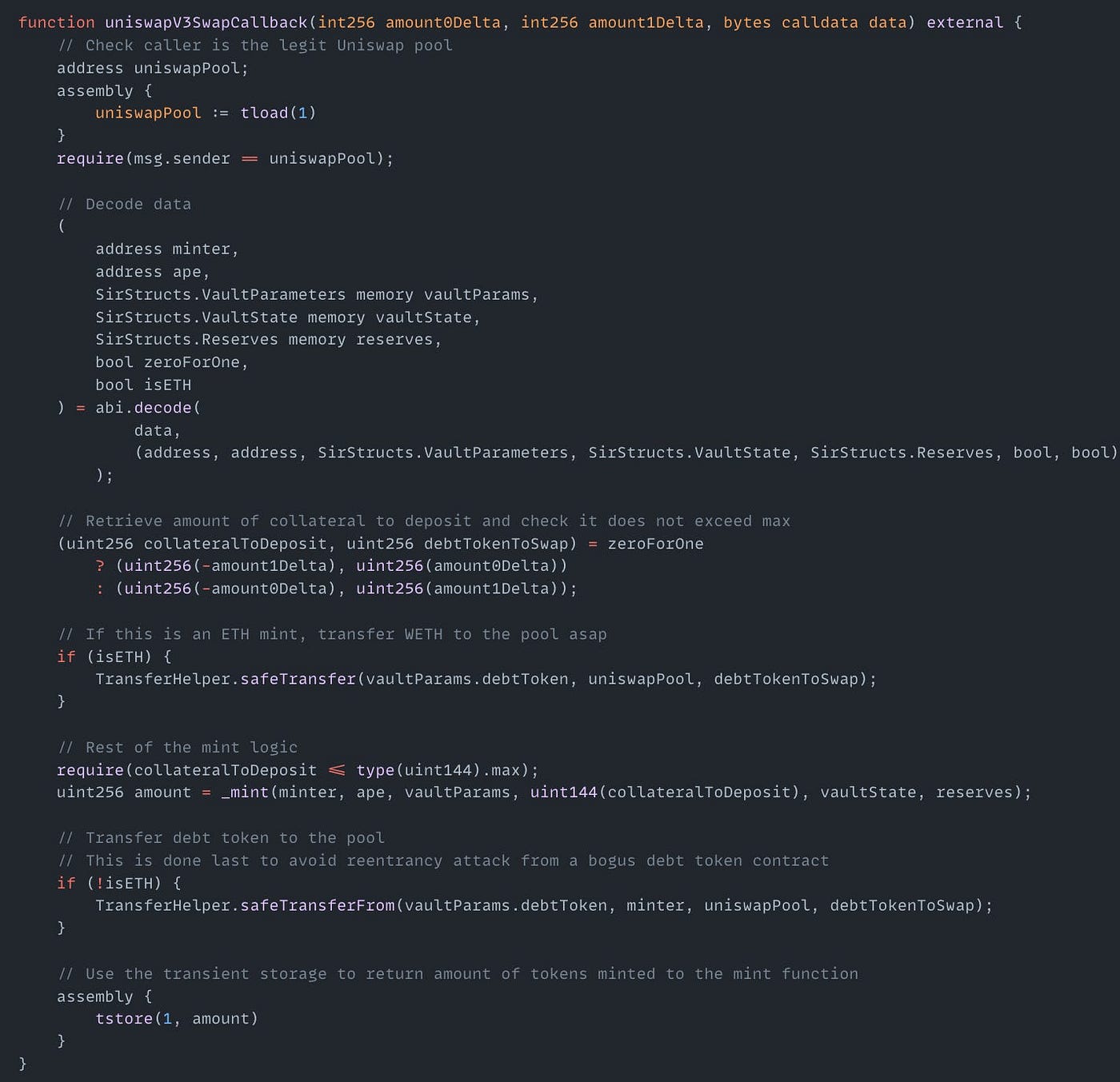
On March 30, the SIR exploit on the Ethereum mainnet resulted in a $355K loss. The root cause of the exploit was a logic vulnerability in the uniswapV3SwapCallback() function (in Vault.sol), which used transient storage slot to hold the Uniswap pool address, loaded with tload(1) for verifying msg.sender. The function also stored the minted token amount in the same slot using tstore(1, amount). The attacker exploited this by calling the function twice in one transaction. In the first call, they overwrote slot with the malicious contract address. In the second call, load (1) returned this malicious contract address, bypassing the caller verification. This allowed the attacker to mint tokens without authorization.
Press enter or click to view image in full size

Exploited Contract: 0xb91ae2c8365fd45030aba84a4666c4db074e53e7

Transaction: 0xa05f047ddfdad9126624c4496b5d4a59f961ee7c091e7b4e38cee86f1335736f

Cardex | Amount Lost: $400K

On February 19, the Cardex exploit on the Abstract mainnet resulted in a $400K loss. The root cause was exposed private keys on Cardex’s frontend. Cardex used a single session signer wallet for all users. The attacker used the compromised signer to call buyShares() to purchase shares and transferShares() to move shares to their wallet. The attacker then sold the shares on Cardex’s bonding curve.

Press enter or click to view image in full size

One of Multiple Transactions (on Abstract Mainnet): 0x07940b17a9f3f1a103a3b10bce6090cf7dbe5115c3cfad325004e0423f75e6cc

Hegic Options | Amount Lost: $80K

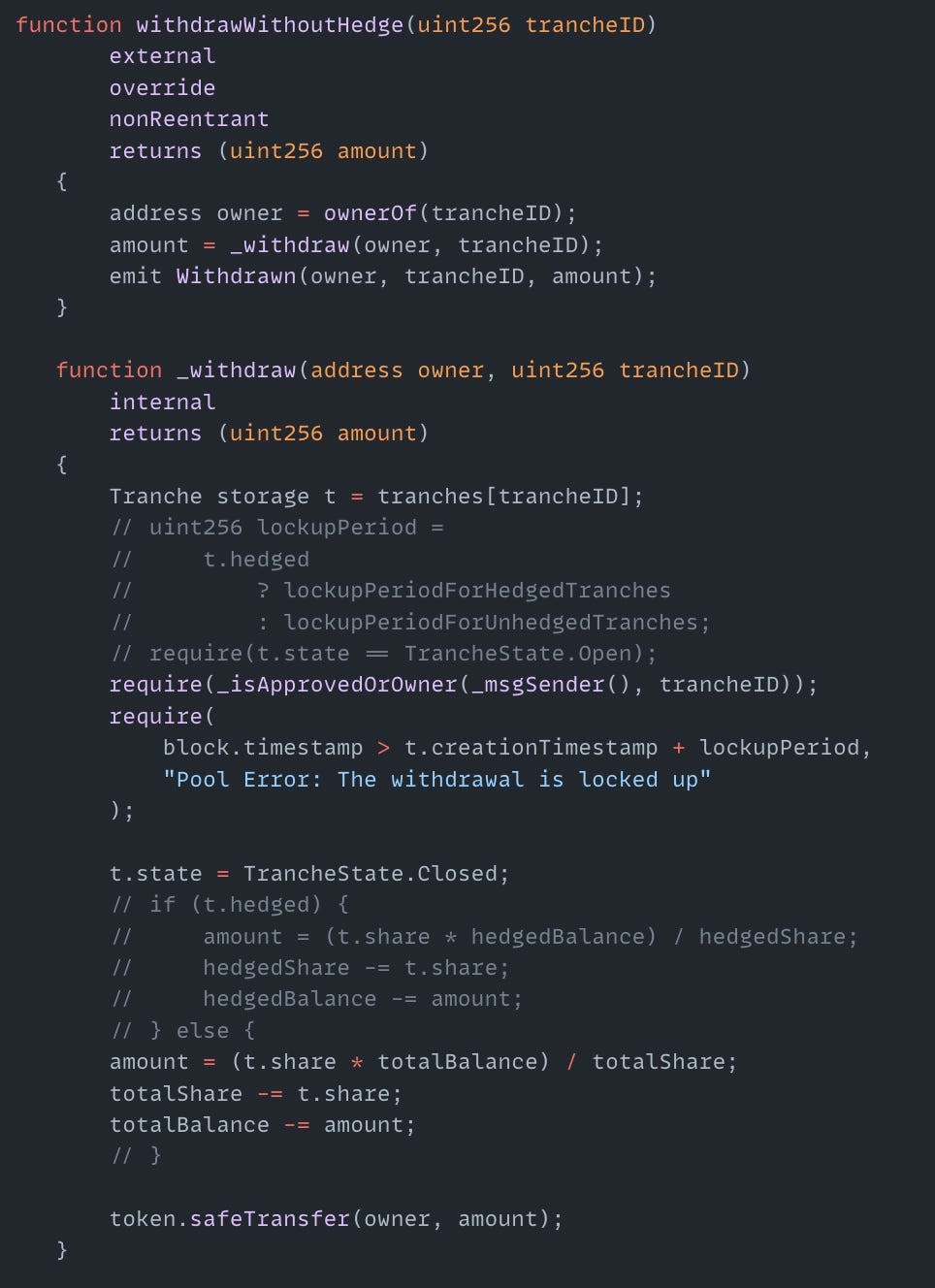
On February 23, the Hegic Options exploit on the Ethereum Mainnet resulted in a $80K loss. The root cause was a logic vulnerability in the withdrawWithoutHedge() function. The attacker exploited the commented-out code in the _withdraw() internal function that should have verified tranches were in an “Open” state (available for withdrawal) and updated them to a “Closed” state after withdrawal. Although the code included a line to set t.state = TrancheState.Closed after withdrawal, without the initial state check, the attacker was able to repeatedly call withdrawWithoutHedge() on the same tranche ID, draining funds multiple times without ‘closing’ the TrancheState status.
Press enter or click to view image in full size

Exploited Contract (HegicPool): 0x7094E706E75E13D1E0ea237f71A7C4511e9d270B

Transaction: 0x260d5eb9151c565efda80466de2e7eee9c6bd4973d54ff68c8e045a26f62ea73

What’s a Rich Text element?

The rich text element allows you to create and format headings, paragraphs, blockquotes, images, and video all in one place instead of having to add and format them individually. Just double-click and easily create content.

A rich text element can be used with static or dynamic content. For static content, just drop it into any page and begin editing. For dynamic content, add a rich text field to any collection and then connect a rich text element to that field in the settings panel. Voila!

Headings, paragraphs, blockquotes, figures, images, and figure captions can all be styled after a class is added to the rich text element using the "When inside of" nested selector system.

  1. Follow-up: Conduct a follow-up review to ensure that the remediation steps were effective and that the smart contract is now secure.
  2. Follow-up: Conduct a follow-up review to ensure that the remediation steps were effective and that the smart contract is now secure.

In Brief

  • Remitano suffered a $2.7M loss due to a private key compromise.
  • GAMBL’s recommendation system was exploited.
  • DAppSocial lost $530K due to a logic vulnerability.
  • Rocketswap’s private keys were inadvertently deployed on the server.

Hacks

Hacks Analysis

Huobi  |  Amount Lost: $8M

On September 24th, the Huobi Global exploit on the Ethereum Mainnet resulted in a $8 million loss due to the compromise of private keys. The attacker executed the attack in a single transaction by sending 4,999 ETH to a malicious contract. The attacker then created a second malicious contract and transferred 1,001 ETH to this new contract. Huobi has since confirmed that they have identified the attacker and has extended an offer of a 5% white hat bounty reward if the funds are returned to the exchange.

Exploit Contract: 0x2abc22eb9a09ebbe7b41737ccde147f586efeb6a

Ready to Shift Security Assurance In-House? Talk to Our Security Experts Today.