
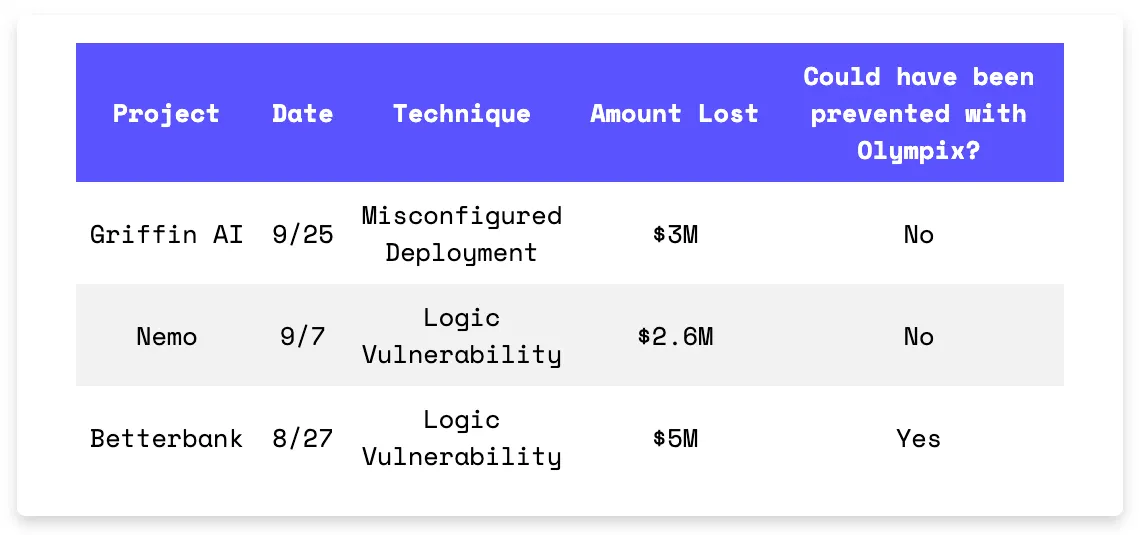
Three exploits, same lesson: implicit trust kills. Griffin AI blindly trusted a peer that didn’t exist. Nemo’s dev let a read function mutate state. BetterBank handed out rewards to anything pretending to be a pool. Cross-chain, DEX, or rewards logic — it’s all insecure until proven otherwise.
On September 25th, the Griffin AI exploit on BSC resulted in a $3M loss caused by a misconfigured LayerZero peer connection that allowed unauthorized minting. LayerZero is a cross-chain bridge protocol that allows linking two contracts (peers) on different networks. The attacker deployed a fake Ethereum contract and added it as the peer for GAIN’s Ethereum endpoint. Because of this, the BSC contract trusted messages coming from the attacker’s fake contract and minted 5B GAIN tokens. Griffin AI acknowledged the breach but did not clarify whether it was due to an admin key compromise or an accidental misconfiguration. The team paused transactions shortly after the exploit.
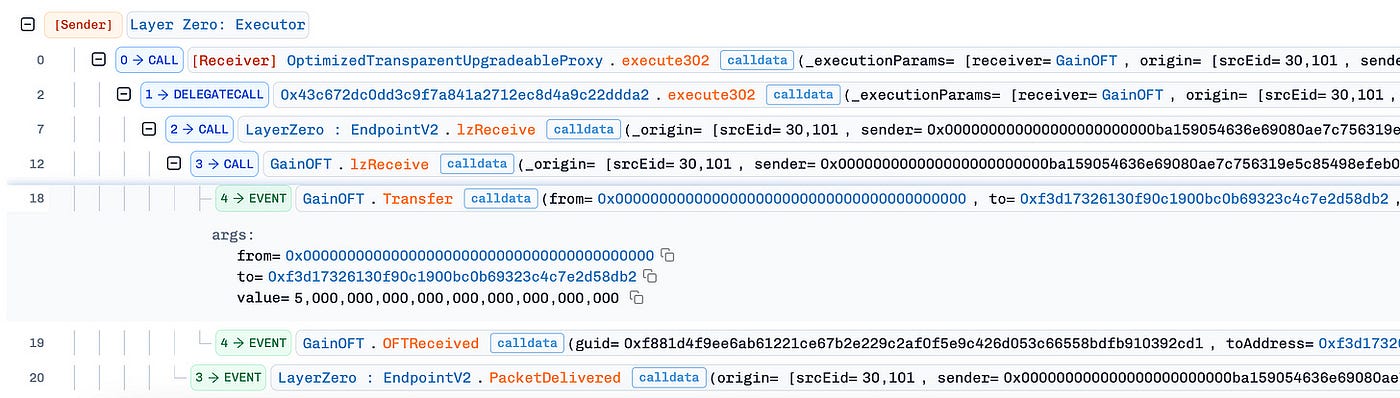
Exploited Contract: 0xacf5a368ec5bb9e804c8ac0b508daa5a21c92e13
Transaction (on BSC): 0xa85b18bdbd32fbe5468de38032f7f2717faaad663d33991b2c71ce0b3892e866
On September 7th, the Nemo exploit on SUI resulted in a $2.6M loss. The root cause of the exploit was a logic vulnerability in the get_sy_amount_in_for_exact_py_out() function. This function was meant to be read only but by mistake it also allowed updating internal state. In their post-mortem, Nemo confirmed that the function was designed to improve swap price quotes and reduce user slippage but one of their developers accidentally made it modify pool balances. The attacker repeatedly called this function to distort prices inside the pool, then minted and withdrew large amounts of SY tokens.
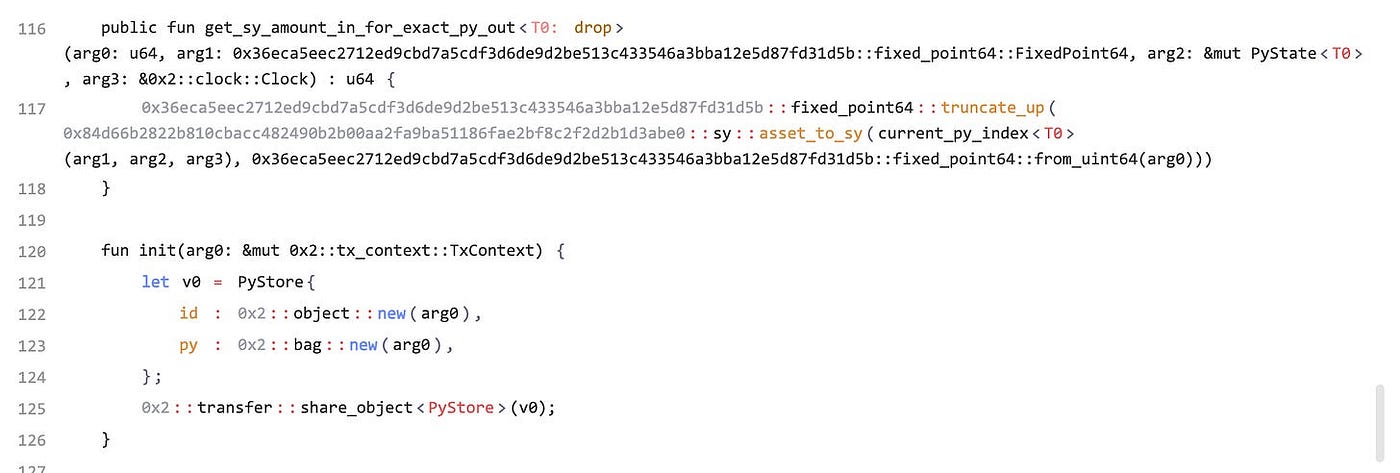
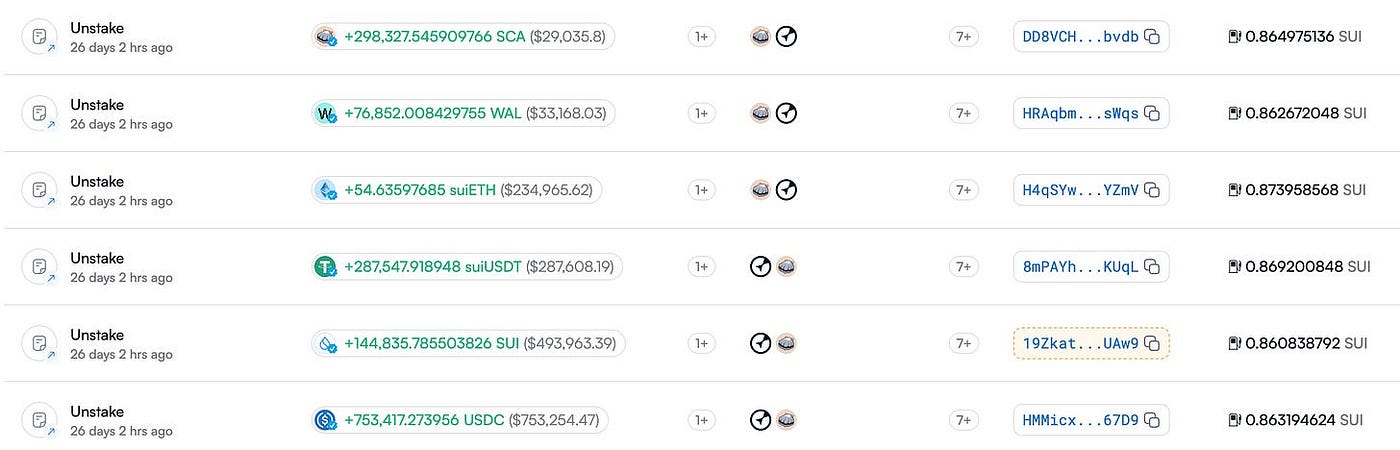
Exploited Contract (on Sui): 0xcf34697ad898bb0f96b2750653208150d89ead6bf224549bebc2b6654e5c5204
Transaction: HMMicxQWn43rnNswi4gNHanUaeiWW5ijqM5bHLca67D9
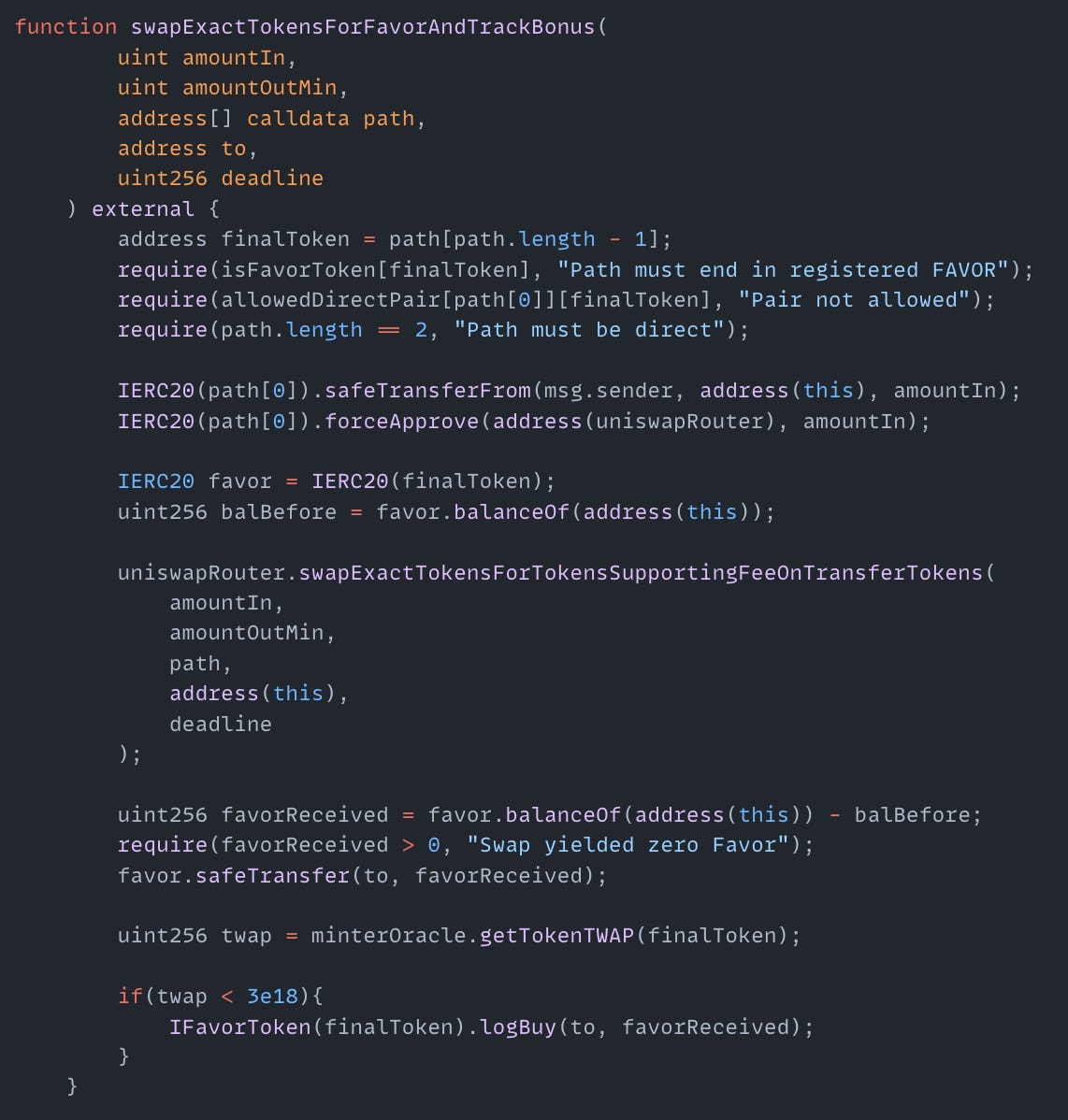
On August 27th, the BetterBank exploit on PulseChain resulted in a $5M loss. The root cause of the exploit was that the swapExactTokensForFavorAndTrackBonus() function called a reward function that minted bonus tokens but didn’t check whether the trade came from an approved liquidity pair. The attacker created fake liquidity pools using FAVOR and performed repeated bulk swaps, triggering massive bonus payouts without paying the normal tax.
Exploited Contract: 0x9361841A51bD90999FAc8382aBECf976273141F7
Transaction: 0x63782ac2554062e9db94f49ec387aea4dc0f3b56530245977da746dde0d5c7b3