
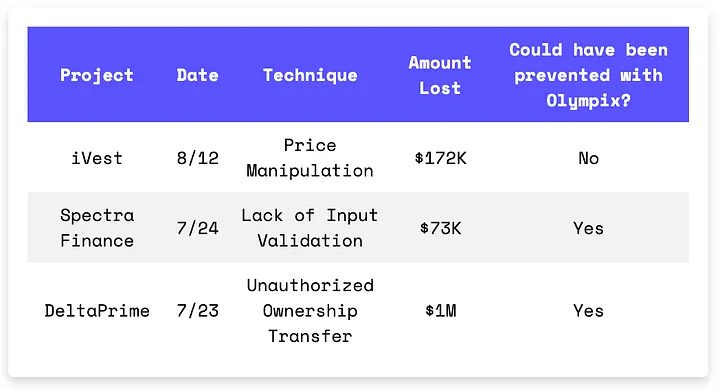
iVest let token burns distort price, Spectra Finance exposed wallets to arbitrary call execution, and DeltaPrime misaligned storage across upgrades, letting an attacker seize ownership. Three bugs, same lesson: validation is not optional.
On August 12th, the iVest exploit on the BNB chain resulted in a $172K loss due to a price manipulation vulnerability. The root cause of the exploit was that the attacker was able to burn the iVest tokens, reducing the total supply and artificially increasing the token price. The attacker first borrowed WBNB through flash loans and swapped the funds for iVest tokens. The attacker then executed the private _makeDonation() function which burned iVest tokens and reduced the total supply. The attacker then sold the iVest tokens at an artificially inflated price and made a profit.
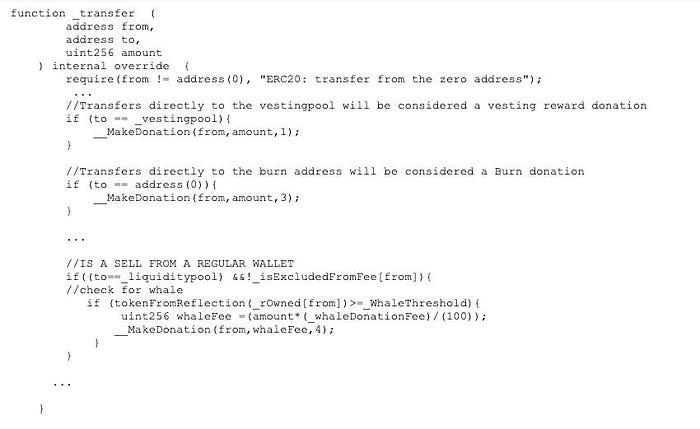

Exploit Contract (on BNB): 0x786fcf76dc44b29845f284b81f5680b6c47302c6
Transaction Hash: 0x12f27e81e54684146ec50973ea94881c535887c2e2f30911b3402a55d67d121d
On July 24th, the Spectra Finance exploit on the Ethereum mainnet resulted in a $73K loss. The root cause of the hack was the absence of proper input validation in Spectra Finance’s Router contract, specifically in the execute() function. The attacker drained tokens from four individual wallets by executing the private _dispatch() function with the kyberRouter and targetData variables. The Spectra Finance team acknowledged the incident and restored operations.
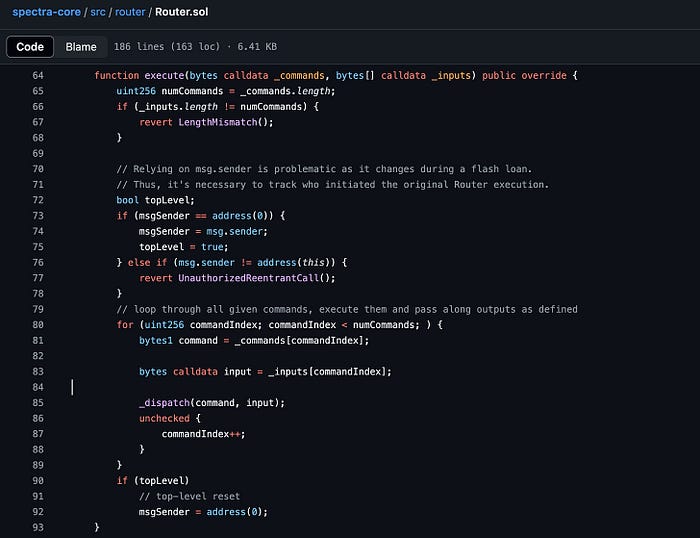
Exploit Contract: 0x3d20601ac0ba9cae4564ddf7870825c505b69f1a
Transaction Hash: 0x491cf8b2a5753fdbf3096b42e0a16bc109b957dc112d6537b1ed306e483d0744
On July 23rd, the DeltaPrime exploit on the Arbitrum chain resulted in a $1M loss. The attacker exploited a misconfiguration to gain unauthorized access to 13 DeltaPrime contracts. They transferred ownership of these contracts to their address and repaid loans to withdraw collateral. The breach was facilitated by a critical oversight where both implementations checked for the _initialized flag, but did so using two different storage slots. This discrepancy allowed the attacker to manipulate the system by taking control of the contract initialization which allowed him to configure some variables to his will. DeltaPrime confirmed the exploit and offered a 10% bounty to the attacker for recovery of the funds.
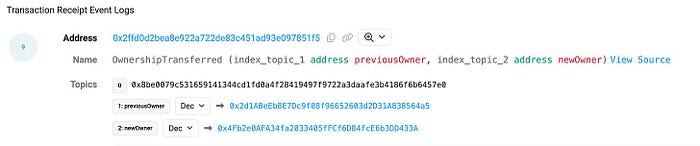
Exploit Contract (on Arbitrum): 0x2ffd0d2bea8e922a722de83c451ad93e097851f5
Transaction Hash: 0xc4350cf22cabfd88e4221d3496e84cd28841682d60ef89020622844e5879b99f